Trump Faces Congressional Opposition After Midterm Loss
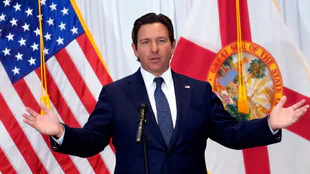
Donald Trump has signaled his intent to rely on presidential vetoes following the Democratic takeover of both chambers of Congress. The former president characterized the midterm elections as a referendum against his policies and outlined a strategy to block legislative initiatives from his political rivals during the remainder of his term.
Donald Trump has framed the recent midterm elections as a direct referendum against his presidency, announcing that he will utilize the presidential veto to counter Democratic legislative efforts. Following the party’s loss of control over both the House of Representatives and the Senate, Trump posted on his social media platform, Truth Social, stating simply: "Veto." The four-letter word replaced his usual campaign slogans, signaling a shift toward obstructionism as he prepares for the remainder of his term.
The election results mark a significant reversal of fortune for the former president. Democrats have secured a majority of more than seventy seats in the House and increased their presence in the Senate by over ten members. Additionally, the party has doubled its number of governorships compared to Republican gains. Trump acknowledged the severity of the defeat in a late-night telephone interview with Fox News, describing himself as a "lame duck" president who had been "punched out." He attributed the loss to voter dissatisfaction with rising gas prices, tariffs that he claimed harmed American consumers, and the economic impact of artificial intelligence.
The Democratic victory was driven by candidates across the political spectrum. In conservative Texas, moderate Democrat James Talarico won a seat in the House, positioning himself as a potential contender for the 2028 presidential race. In Michigan, progressive candidate Abdul El-Sayed secured a Senate victory despite opposition from primary rivals. Analysts note that these wins reflect a broader rejection of Trump’s policies rather than pure partisan loyalty, with voters expressing disappointment over unfulfilled promises regarding the economy and foreign policy.
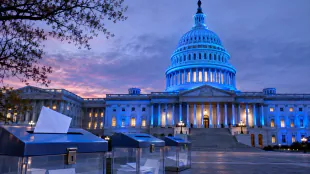
With Democrats controlling both chambers, the political landscape for Trump has shifted dramatically. He now faces a Congress that is unified in opposition to his agenda. Political analysts indicate that Trump has approximately sixty days before the new Congress convenes on January 6 to issue executive orders and save what remains of his legislative priorities. After that date, he will rely on presidential powers to block Democratic initiatives for the next two years.
The balance of power raises significant questions regarding judicial and cabinet appointments. Democrats may use their majority to freeze nominations for judges and ministers, potentially blocking Trump’s attempts to reshape the federal judiciary or executive branch. This legislative leverage also opens the door to impeachment proceedings, although Democratic leaders, including Vice President Kamala Harris, have stated they do not currently intend to pursue this path. Harris previously noted that earlier attempts by House Republicans to investigate Trump had inadvertently boosted his political standing.
Foreign policy remains a critical area of contention. Trump announced that the United States would cease military aid to Israel at the end of the year, while dismissing the possibility of a final attack on Iran as merely an option. The situation in the Middle East remains volatile, with Israeli Prime Minister Benjamin Netanyahu facing domestic political challenges and considering joint military operations with the United States against Iran. Meanwhile, the conflict in Ukraine continues, with Russian President Vladimir Putin gaining strategic advantage as American sanctions face potential restoration. Chinese President Xi Jinping is observed waiting for developments between the two powers.
Trump’s strategy now hinges on his ability to navigate a hostile Congress while managing international crises. The midterm results have stripped him of legislative support, forcing him to rely on executive authority and veto power to maintain influence. As the new Congress prepares to take office, the focus will shift to Capitol Hill, where institutional conflicts between the executive branch and the Democratic majority are expected to intensify.
T.Murray--NG