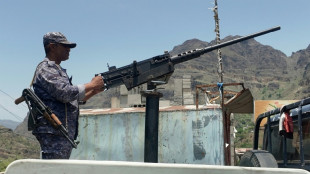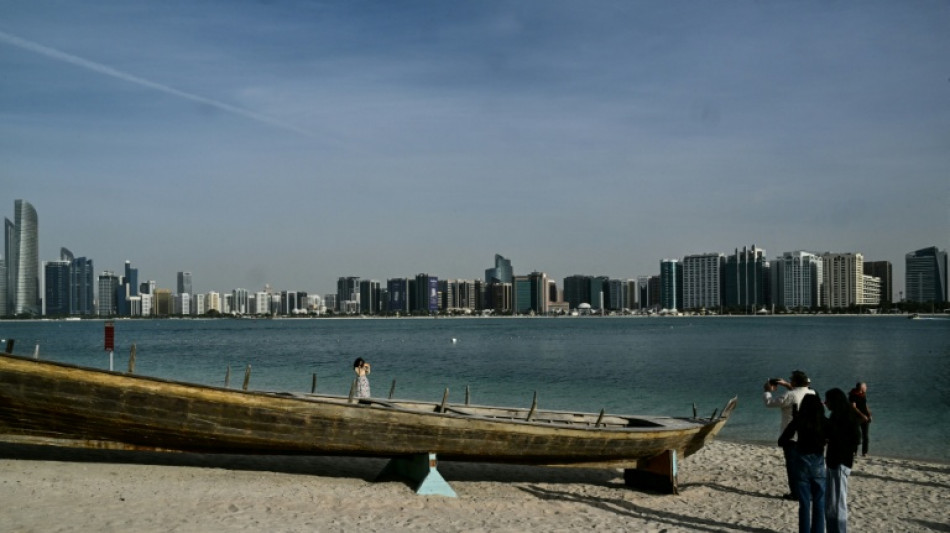
Ukraine, Russia, US negotiators gather in Abu Dhabi for war talks / Photo: Giuseppe CACACE - AFP
Negotiators from Ukraine, Russia and the United States were set to gather in Abu Dhabi on Wednesday, seeking to advance fraught talks on how to end the four-year war.
Several rounds of diplomacy between the sides have failed to strike a deal on ending Europe's deadliest conflict since World War II, which began when Russia invaded in February 2022.
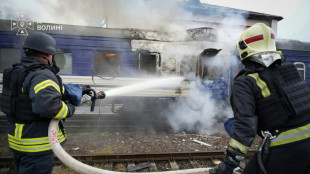
A massive Russian drone and missile barrage in the run-up to the talks, pounding Ukraine's energy grid and knocking out power and heating in temperatures far below freezing, threatened to overshadow any chances of progress in the Emirati capital.
"Each such Russian strike confirms that attitudes in Moscow have not changed: they continue to bet on war and the destruction of Ukraine, and they do not take diplomacy seriously," Ukrainian President Volodymyr Zelensky said on Tuesday.
"The work of our negotiating team will be adjusted accordingly," he said, without elaborating.
The main sticking point is the long-term fate of territory in eastern Ukraine.
Moscow is demanding that Kyiv pull its troops out of swathes of the Donbas, including heavily fortified cities atop vast natural resources, as a precondition of any deal.
It also wants international recognition that land seized in the invasion belongs to Russia.
Kyiv has said the conflict should be frozen along the current front line and has rejected a unilateral pull-back of forces.
The talks -- set to last Wednesday and Thursday -- were postponed from last weekend due to what the Kremlin called scheduling issues between the three sides.
- 'Prepare for the worst' -
Ukraine's delegation will be headed by Security Council chief Rustem Umerov, a shrewd negotiator hailed by colleagues as a worker of diplomatic "wonders".
Russia's top negotiator will be its military intelligence director Igor Kostyukov, a career naval officer sanctioned in the West over his role in the Ukraine invasion.
At a previous round of talks in Abu Dhabi last month, the US team was led by President Donald Trump's ubiquitous envoy Steve Witkoff.
Russia, which occupies around 20 percent of its neighbour, has threatened to take the rest of the Donetsk region if talks fail.
Ukraine has warned that ceding ground will embolden Moscow and that it will not sign a deal that fails to deter Russia from invading again.
Kyiv still controls around one-fifth of the Donetsk region.
At the current pace of Russia's advance, it would take Moscow's army another 18 months to conquer it all, according to AFP analysis -- but the areas remaining under Ukrainian control include heavily fortified urban hubs.
Russia also claims the Lugansk, Kherson and Zaporizhzhia regions as its own, and holds pockets of territory in at least three other Ukrainian regions in the east.
The majority of the Ukrainian public is against a deal that hands Moscow land in exchange for peace, according to opinion polls.
Many Ukrainians find the idea of ceding ground that its soldiers have defended for years as unconscionable.
On the battlefield, Russia has been notching up gains at immense human cost, hoping it can outlast and outgun Kyiv's stretched army.
Zelensky has been pushing his Western backers to boost their own weapons supplies and heap economic and political pressure on the Kremlin to halt the invasion.
Hundreds of thousands have been left without heat and power in the Ukrainian capital this year after massive Russian strikes severely damaged Kyiv's energy grid.
Following the first round of US-brokered talks in Abu Dhabi last month, Ukrainians were doubtful any deal could be struck with Moscow.
"I think it's all just a show for the public," Petro, a Kyiv resident, told AFP.
"We must prepare for the worst and hope for the best."
A.MacCodrum--NG