How are Ukraine strikes, Mideast war driving US fuel prices? / Photo: - - AFP
Ahead of next month's midterm US elections, Donald Trump has increasingly blamed Ukrainian strikes on Russian refineries for surging energy prices back home, which are causing the president political headaches.
However, analysts say the main driver of higher fuel prices remains the US–Iran war.
- Which Russian sites have been targeted? -
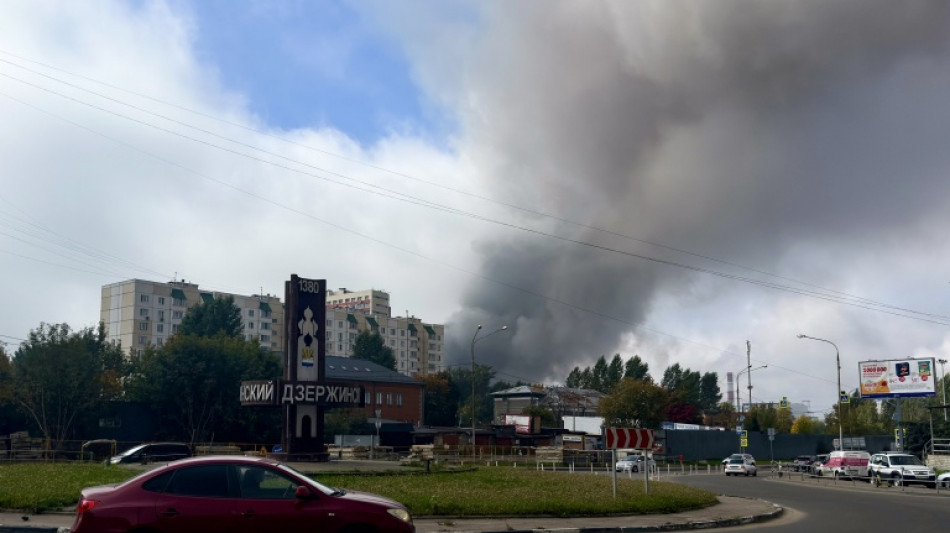
Ukraine has intensified its drone attacks on Russia's energy industry over the past 18 months, seeking to cut the Kremlin's revenues and undermine its ability to finance the war.
The strikes have targeted "mostly refineries", Julien Mathonniere, an economist at Energy Intelligence, told AFP.
On average, one Russian refinery was hit every three days during the first eight months of the year, according to the International Energy Agency.
"Russia's net diesel exports fell by approximately 80 percent year on year in the third quarter of 2026, from around 1.05 million barrels per day to just 200,000 barrels per day," said Viktor Kurilov, an analyst at Rystad Energy.
In response to the disruption in domestic fuel supplies, Moscow introduced a ban on diesel exports from July until the end of October.
- Why does this concern Trump? -
Trump has repeatedly condemned the attacks on Russian refineries, saying Ukrainian leader Volodymyr Zelensky disobeyed his orders to halt the strikes.
By contrast, Trump has not commented on the intensification in recent months of Russian strikes against Ukrainian territory, which have caused a surge in civilian casualties.
Trump's frustrations come as the Republicans face dim prospects in the November midterm elections, partly because of soaring fuel prices.
US diesel prices at the pump climbed to a record of $6.53 per gallon at the end of September, up from $3.75 per gallon before the war, according to the American Automobile Association.
Energy price rises are also fuelling inflation across the economy.
- What is the Mideast role? -
Ukraine's strikes explain "about one-third of the global diesel shortfall, currently estimated at 1.7 to 1.8 million barrels per day", said Mathonniere.
But "the impact of previous drone strikes (by Kyiv) on global product prices before the Middle East crisis was minimal", James Henderson, a researcher at the Oxford Institute for Energy Studies, told AFP.
Energy exports from the Gulf have plunged since US-Israeli strikes on Iran from February caused Tehran to respond by choking off the Strait of Hormuz, a vital waterway for oil and gas transit.
At the same time, maritime freight costs have soared and major refining capacity in the Middle East has been hit, adding to upward pressure on oil prices.
- Can prices fall before midterms? -
Relations between Kyiv and Washington soured further this month after Trump announced a controversial agreement with Moscow to lift certain sanctions and allow Russian diesel imports, supposedly to ease prices.
The US president said Wednesday that he believed an end to the Russia-Ukraine war could be closer than ever, as the Kremlin said it was willing to restart trilateral talks with Kyiv and Washington next month.
For now, however, the strikes continue.
"There's not much that can be done in the very short term to lower diesel prices," said Jorge Leon, an analyst at Rystad Energy.
Even if the Russia conflict ended or an energy ceasefire was reached, the impact "wouldn't really move the needle massively for the US midterm elections", he added.
Repairs to damaged infrastructure take time, while continued hostilities in the Middle East drive energy prices higher.
A.C.Netterville--NG