Mohammed bin Rashid on Learning Speed and Civilizational Progress
In his book The Letters, Sheikh Mohammed bin Rashid Al Maktoum emphasizes that the pace at which societies acquire knowledge determines their trajectory. He illustrates this through historical examples, such as the delayed adoption of the printing press in the Ottoman Empire, to argue that embracing education is critical for national development.
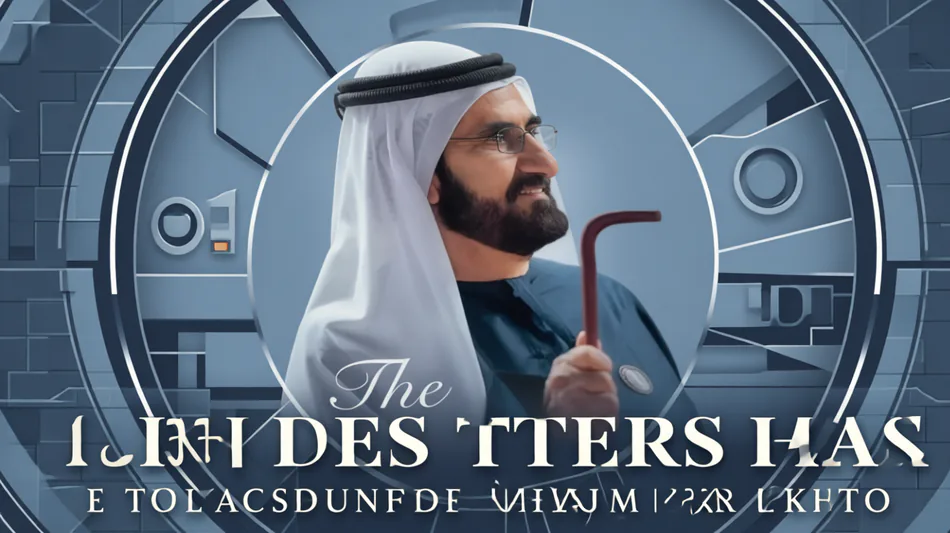
In his book The Letters, Sheikh Mohammed bin Rashid Al Maktoum, Vice President and Prime Minister of the United Arab Emirates and Ruler of Dubai, explores how the capacity to acquire new knowledge influences the development of generations and the trajectory of nations.
Sheikh Mohammed uses historical precedent to illustrate the consequences of delayed adaptation. He points to the invention of the printing press in Europe during the 15th century as a pivotal moment in global history. Despite this technological advancement, it took nearly three centuries for the Ottoman authorities to permit the establishment of a printing press using Arabic letters in Istanbul.
The ruler granted permission for this facility in 1726. This significant delay highlights the gap between the emergence of transformative technology and its acceptance in different regions.
Through these reflections, Sheikh Mohammed underscores the importance of reading and education. He argues that the speed with which a society embraces new information is a defining factor in shaping its future.
Y.Urquhart--NG